Entry · Ref ECFKN8S2
Addiction Treatment in Texas: Sober Coaching and Recuperation Mentoring
- Posted
- 2026-10-19
- Last amended
- 2026-10-19
- Account
- @charlieyckm980
Texas is large sufficient to hold many different roads to recuperation, from extensive health center detoxification to quiet, peer-led conferences in church basements. Over the previous years, one bridge in between official care and everyday life has actually acquired grip here: sober training and recovery mentoring. When it is succeeded, mentoring steadies the vulnerable handoff from treatment to reality, where stressors do not wait for your following therapy consultation. I have seen people maintain delicate gains just because a coach responded to the telephone call at 10 p.m., strolled with them with a stressful family members supper, or educated them exactly how to make a regression prevention plan that actually fits life in San Antonio website traffic and hill nation weekends.
This is not a silver bullet. An instructor does not replace healthcare or accredited treatment. However in Texas, with its mix of urban spread, oilfield turnings, military neighborhoods, and rural communities, the useful adaptability of a train commonly makes the difference in between an encouraging discharge recap and a long lasting, sober routine.
What sober training is, and what it is not
A sober train is a skilled expert that helps an individual build and preserve recuperation in day-to-day live. That role can be highly sensible: structuring a morning routine, mapping high-risk courses around community, rehearsing just how to leave a barbecue without making use of. It can also be strategic: lining up therapy goals with everyday actions, coordinating with outpatient suppliers, developing liability that holds on weekend breaks and holidays.
The term recuperation coach is occasionally utilized interchangeably, though advisors usually highlight peer experience. In method across Texas, the work blends both. Instructors might be licensed peer specialists, licensed counselors moonlighting, or seasoned recovery supporters trained in evidence-informed strategies. The far better ones can express their method, set quantifiable goals, and collaborate with your scientific team.
A trainer is not a detox supplier, not a prescriber, and not a substitute for psychotherapy. If alcohol withdrawal threats seizures, or if opioids belong to the photo and medication for opioid use condition is suggested, a clinical carrier leads. Good trains in Texas know when to step back and loophole in a clinician, and they maintain clean boundaries around scope.
How coaching fits within addiction treatment in Texas
Addiction treatment in Texas stretches across levels of treatment: clinical detoxification, household rehabilitation, partial a hospital stay, extensive outpatient, common outpatient, and mutual-help teams. Sober training strings through these stages, generally ramping up as official strength tapers down.
In Dallas and Houston, some programs bundle coaching into discharge planning. In the Panhandle and Big Bend, I have actually seen telecoaching used to link cross countries to specialized treatment. On the I-35 corridor, households frequently transform to training throughout the risky initial 90 days after household therapy. Coaches can likewise offer those that are not in treatment in any way, assisting them prepare for it, reduce usage, or maintain disorderly regimens so treatment ends up being possible.
Insurance insurance coverage for coaching differs. Some employer strategies compensate particular peer services, particularly when the trainer holds a state-recognized credential. More frequently, family members pay independently. I have seen rates in Texas variety from 50 to 200 dollars per hour, with day-rate options when a client needs extensive support, for example during a very early return from property treatment. The cost stings, yet weighed against duplicated regressions and lost work, lots of family members discover it warranted. The trick is to demand clarity on deliverables, control with clinicians, and results tracking.
A day in the life with a sober coach
Consider a compound of clients I have actually supported around San Antonio. The customer is a 32-year-old line chef that completed a 30-day program and began an evening intensive outpatient group 3 evenings a week. He deals with his bro near the Pearl, trips the bus, and functions from 3 p.m. To 11 p.m. Drinking began on the line, where beers slide towards shutting time. He intends to maintain the job.
We set an early morning structure: up at 8 a.m., hydration, fast breakfast, a 10-minute check-in by message, and then a 20-minute walk around Brackenridge Park prior to the warmth spikes. We met outside a day or two each week, ran through impulse surfing exercises, and prepared meals in advance to reduce end-of-shift decision exhaustion. He shared his team schedule, and with approval I sent a brief once a week note to his therapist highlighting success and stress factors. On cash advance Fridays, he let me recognize where the cash was going, using an easy envelope approach to prevent a spree.
One Sunday he texted at 4 p.m. From a friend's apartment where the video game was on and tequila was out. We practiced a manuscript, he forged a stomach insect, and I waited on FaceTime while he got a rideshare. We met at a late-night restaurant off Broadway and debriefed over coffee. That single bailout, coupled with a Monday session reviewing triggers, most likely conserved a two-week spiral.
This is not attractive. It is applied, flexible, and relentlessly functional. It plugs the spaces that common therapy can not get to between 5 p.m. And midnight.
How coaching differs from treatment, sponsorship, and instance management
Therapy explores patterns and trauma. Sponsors offer fellowship and actions within a mutual-help custom. Situation supervisors prepare solutions and make certain continuity of care. Coaches borrow from all 3, yet rest closer to the ground. Their money is activity in actual environments.
If a client's shame is obstructing regression prevention, that belongs in treatment. If the person needs a conference after work, a sponsor might suggest where to go. A trainer will map the commute, practice the arrival, and fix the late bus. In my experience in Texas markets, people do best when all 3 roles connect, each remaining within their lane.
Texas facts that shape training plans
Texas warmth influences hydration and sleep, both linked to yearnings. Instructors remind customers to bring water, and to change exercises earlier in the day during peak months. Commute times in Austin and Houston can include an hour to the day, turning small tension into a regression driver. Coaches help customers determine micro-breaks, podcasts that enhance recovery, or alternate routes that prevent triggers, like an alcohol store near the typical exit.
Cultural rhythms matter. Friday evening lights, rodeo period, Carnival in San Antonio, and tailgates can hit early healing. Instructors do not just claim avoid it. They show rated direct exposure: go to a quarter and leave, bring a sober pal, carry your very own drink, or see from home until footing steadies. For those operating in oil and gas, two-weeks-on rotations can annihilate routine. Telecoaching and designated check-ins align with change adjustments, and a safety strategy is constructed for the evening off in Midland or Eagle Ford when crew society pushes hard.
Rural accessibility stays a challenge. Broadband voids mean telephone call and SMS become lifelines. Coaching can likewise support transport plans to get to appointments in Lubbock or San Angelo every various other week. In some counties, confidence communities give the strongest recovery network. Proficient trainers regard that, motivate spiritual assistances when they assist, and maintain the door open up to professional care when signs and symptoms escalate.
Addiction therapy in San Antonio and exactly how coaching integrates
San Antonio's therapy landscape consists of hospital-affiliated detoxification systems, residential facilities within an hour's drive, intensive outpatient programs across the North Side and West Side, and a hectic ecological community of mutual-help conferences in English and Spanish. Active service armed force and experts include another layer, with privacy and command factors to consider leading plans. Lots of households right here prefer a useful strategy, something that fits change work at Toyota or night classes at one of the colleges.

Coaches in San Antonio often tend to satisfy clients where they are: after work near Southtown, at a coffeehouse on the North Central loop, or virtually if child care is tight. I motivate sychronisation, with the client's authorization, in between instructor, therapist, and prescriber. When the instructor listens to that weekends surge cravings after a lengthy Saturday shift at La Cantera, the specialist can target cognitive approaches, and the prescriber can watch for communications or change medication timing. This three-way placement commonly cuts relapse danger throughout the initial 90 days of outpatient care.
Evidence, results, and sincere limits
Peer and coaching supports are not new. Study on proceeding treatment programs advantages for material use end results when liability and abilities practice continue past formal therapy. The magnitude varies throughout researches. In my documents, clients that utilized mentoring for at the very least 3 months, with regular get in touch with and on-call schedule for high-risk windows, were most likely to complete outpatient programs and record months-long stretches without usage. That is not a randomized test, however it tracks with what many clinicians see: structured follow-up reduces the odds of an early slide.
Coaching's limitations are clear. If somebody is psychotic, suicidal, or in severe withdrawal, this is clinical. If a court order is driving participation, motivation can be slim, and coaching may end up being a conformity display instead of a modification representative. And some individuals merely do not like the intimacy of daily check-ins. We do not require it. We construct a different scaffold.
Costs, openness, and what to ask prior to you hire
Private training is an investment. When family members ask whether it deserves it, I turn the concern around: what are you shopping? If the response is comfort without the person transforming, save your cash. If the answer is focused, functional help during a risky home window, after that established clear terms.
Here is a concise list of inquiries that assists Texans different solid trains from slick advertising:
- What is your training and credential, and how do you stay within your scope of practice?
- How do you coordinate with therapy, clinical service providers, and family members, with the client's consent?
- What does a week resemble in practical terms, including feedback times after hours?
- How do you specify and measure development, and what takes place if the strategy stalls?
- What are your charges, cancellation policies, and any kind of service charges for crisis support or travel?
If a coach can not respond to these without fluff, keep looking.
Family involvement without making it worse
Families often pay for coaching, which complicates boundaries. An excellent train constructs a triangular that does not end up being a catch. With the customer's authorization, updates to family continue to be high-level: attendance, adherence to concurred regimens, and significant issues. The abrasive details, including slides, are handled initially with the customer unless instant security goes to danger. This maintains embarassment from driving secrecy.
I ask family members to concentrate on architectural support. Help with transportation for night teams. Change supper times to match a new work routine. Remove alcohol from the home for 90 days. If there is a slip, prevent high-decibel postmortems. Rather, go back to the plan: what functioned, what stopped working, and what we can repeat by Friday.
Working with medication and scientific care
Medication for alcohol usage disorder and opioid usage condition conserves lives. In Texas, accessibility has improved, yet stigma lingers. Trainers who recognize their lane can help customers remain regular, track side effects, and strategy around dosages. For a person on buprenorphine, a trainer may establish drug store pointers, get ready for journeys when refills will overlap, and preemptively type transport. For a person on naltrexone, the train could prepare the initial couple of weeks when nausea can damage hunger and sleep.
Coordination issues most throughout shifts: medical facility discharge to home, prison release to very first clinic see, or moving from San Antonio to a task in New Braunfels. A 72-hour post-transition window is where I see strategies fall short. Lock that home window down with scheduled check-ins, a calendar invite to the very first outpatient team, and a transportation backup if an auto delays on 281.
Practical devices that make training tangible
The finest coaching gets details, not aspirational. We build short loops. Two instances:
A yearning plan that fits I-10 web traffic. Name the hotspot time, frequently 5 to 7 p.m. Identify the very first sign, such as the turn onto a roadway with signboards for liquor. Exchange the path for 10 days. Preload a high-protein treat, a litre of water, and a playlist that signals recovery, not fond memories for bench. Text the coach as the automobile leaves work, then again on arrival. Reward with a tiny, instant win: 15 minutes of a favorite show before dinner.
A work environment manuscript for after-shift pressure. When a coworker claims simply one beverage, the customer practices: I am driving my nephew early, catch you later on. Body turns, feet relocate, message heads out. Money stays in a front pocket with only recompense and a card locked behind phone limits after 8 p.m. This may appear granular. It is, and it functions because it decreases decisions under fatigue.
Red flags when looking for coaching in Texas
Most coaches suggest well. A few do injury by overpromising or ignoring ethics. Watch out for these indication:
- Guarantees of soberness or claims of 100 percent success
- Refusal to coordinate with qualified service providers or to use a launch of information
- Pushy references to a single rehab without discussing choices or cost
- Pressure to sign long agreements prior to a trial period
- Vague strategies heavy on motivation and light on everyday structure
If any of these turn up, pause. There are lots of thoughtful experts in the Texas recovery neighborhood who will appreciate your judgment and budget.
Starting factors for addiction treatment Texas large, and in your area in San Antonio
People frequently ask where to https://riverktcx120.tearosediner.net/addiction-treatment-in-texas-structure-a-personalized-self-care-regimen begin. If immediate medical threat exists, start with a physician, immediate care, or a healthcare facility emergency room. For alcohol withdrawal, do not white-knuckle in the house. For opioids, look for a facility that prescribes buprenorphine or methadone. Across Texas, region mental wellness authorities preserve resource lines that can route you to accredited service providers and sliding-scale options.
For those taking a look at addiction treatment in San Antonio, map the options: hospital-based detoxification for safety, a domestic program if home is disorderly, then a step-down to extensive outpatient on the very same side of community as your task. Look at job timetables and childcare. If you include a sober instructor, incorporate them early. Share schedules. Recognize the initial risky weekend and over-engineer it. If cash is limited, ask about group-based mentoring or peer support experts embedded in clinics, which can cut expenses and still supply accountability.
Telecoaching and rural Texas
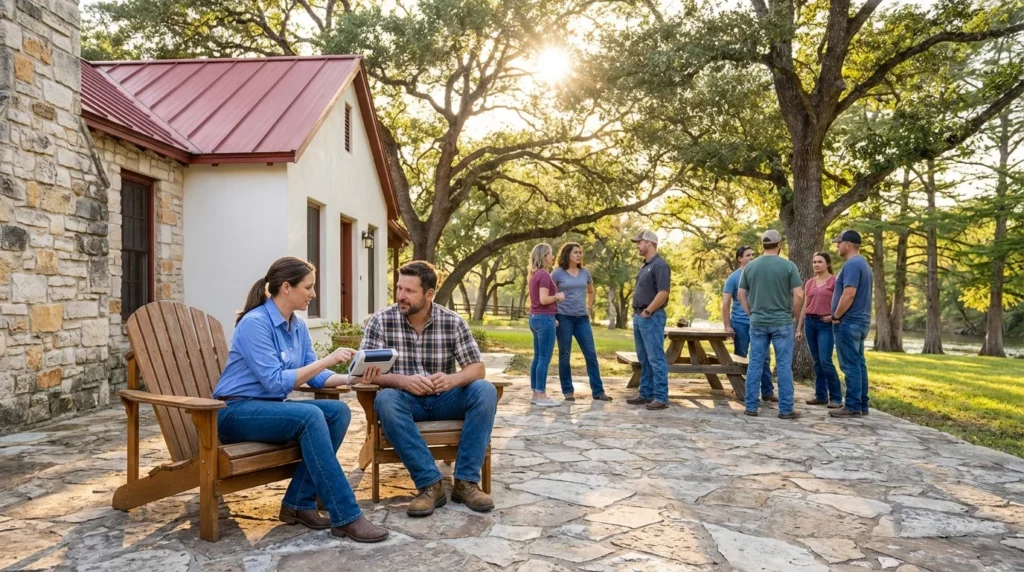
Rural Texans usually handle long drives and slim supplier networks. Phone-based mentoring, SMS check-ins, and periodic in-person days can be sufficient. I have sustained cattle ranch hands outside Kerrville with a hybrid version: one in-person early morning every two weeks, everyday texts, and a Sunday night video clip contact us to establish the week. The strategy consisted of a neighbor who ended up being a walking partner at dawn, when the warm enables. Mutual-help conferences might be sparse, so we tapped into online teams and set clear boundaries to avoid countless scrolls that unspool sleep.
Telecoaching also aids throughout weather condition events. During the 2021 freeze, a number of customers lost water and power. The danger of relapse increased under stress. Instructors worked on phone batteries, made use of short phone call to support routines, and arranged secure homes with sober friends when houses went dark. It was not sophisticated, yet it held individuals until solutions returned.
Measuring progression without deceiving ourselves
Sobriety dates matter, and they are not the whole story. I track three domain names in early work: frequency and intensity of cravings, presence and preparation to recovery tasks, and top quality of sleep. When yearnings go down a notch or two, when individuals show up promptly, and when sleep maintains above 6 hours most evenings, lapses drop. These are observable and shapeable.
When slips take place, the strategy shifts to rapid learning. We catch the chain, identify the first deviation, not the last straw, and squash pity by returning to concrete actions. Rather than a moral failure story, we treat it as a systems trouble. Over months, that stance permits people to rebuild without hiding.
Respecting culture and language
Texas has deep multiculturalism. Spanish-speaking families in San Antonio navigate recuperation with different expressions of distress and different assumptions concerning family members roles. Trains who are bilingual or culturally hip to can minimize rubbing. They will know just how to entail an abuela without reproaching a grandson, or how to discuss addiction as a disease in a manner that aligns with family members values. Likewise, for veterans and armed forces family members, knowledge with chain-of-command and confidentiality limits can prevent spontaneous errors that jeopardize careers.
Final ideas from the field
Addiction therapy is not a solitary doorway. It is a course that we construct under our feet while life maintains relocating. Sober mentoring and recuperation mentoring consider that course traction in average areas: a post-shift car park, a grocery aisle, a family cookout at Woodlawn Lake. Done with ability, coaching equates medical objectives into resilient behaviors, keeps families aligned without taking control of, and acquires time for the mind to heal.
If you are considering options for addiction treatment Texas broad, or thinking about addiction treatment in San Antonio specifically, look for practical positioning between services and every day life. Ask difficult concerns of any kind of train. Need coordination with medical professionals. Budget for the risky months, not simply the first week home. Recovery is integrated in hours and days, not mottos. A good instructor comprehends that, fulfills you where you live, and remains enough time for the brand-new regular to become yours.